Introduction and Experimental Overview of Silicone Wax
author: Leo
2025-12-11
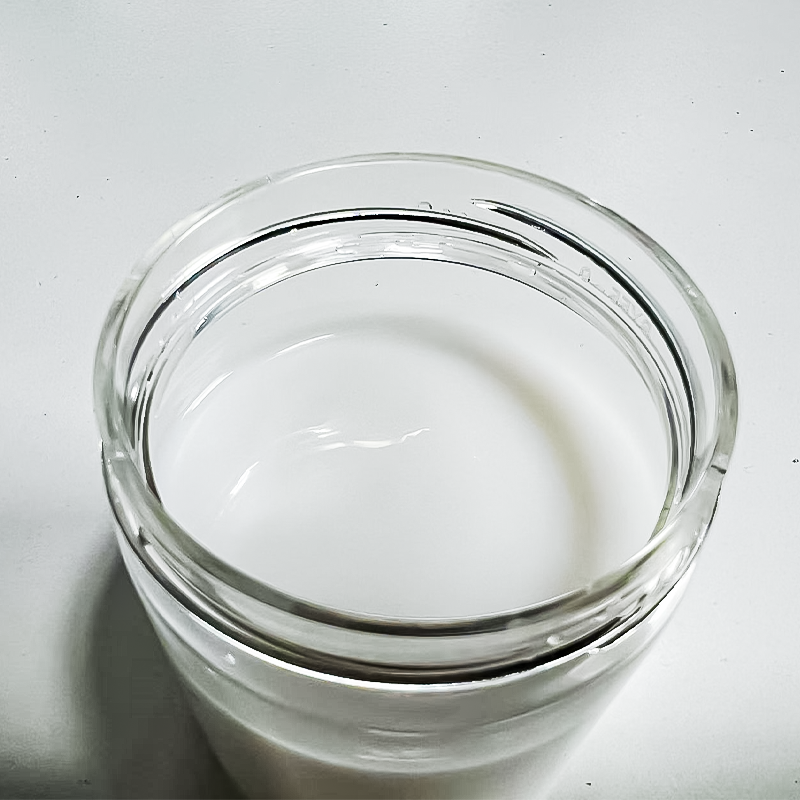
Silicone wax is a general term for long-chain alkyl-modified polysiloxanes, also commonly referred to as long-chain alkyl silicone oil. It boasts high lubricity, excellent skin compatibility, along with softness and breathability, and also achieves good compatibility with various organic materials. Leveraging these advantages, silicone wax has a wide range of applications: it is not only a common ingredient in cosmetics such as hair oil, lipstick and lip balm, but also plays an important role in industries including textiles, leather and coatings.
Currently, most silicone wax is synthesized using hydrosilicone oil and high-carbon alkenes as raw materials, via hydrosilylation reaction under the catalysis of platinum catalysts. However, such synthesis methods are plagued by common drawbacks: complex reaction equipment, long reaction time and low product yield. These issues not only drive up production costs, but also tend to cause darkening of the product color. In addition, some studies have synthesized long-chain alkyl ester-modified silicone oil by combining esterification and hydrosilylation reactions for use as defoamers, but the relevant processes still require further optimization.
With social development and rising living standards, the market has imposed increasingly stringent performance requirements on silicone wax, making ordinary products unable to meet the demand. Compared with overseas counterparts, domestic silicone wax lags behind in terms of basic research and application level. Production is often troubled by small scale and low yield, while the products suffer from defects such as low melting point, insufficient hardness and poor glossiness.
To address these problems, this experiment uses linear alkenes with different carbon numbers, tetramethyltetrasiloxane (abbreviated as D₄^H) and terminal hydrosilicone oil as raw materials. Through a three-step reaction process involving hydrosilylation and ring-opening polymerization, a silicone wax capped with linear dodecyl groups and grafted with linear alkyl groups of specific carbon numbers (C₁₂-C₄₅) on side chains is synthesized. The experiment focuses on investigating the compatibility of this silicone wax with common cosmetic ingredients, as well as its impact on the moisturizing performance of lip balm.
Silicone Stone Protective Agent
Silicone-Modified Polycarbonate: Performance Optimization and Application Expansion
Related Article