Preparation and Application of Silicone Resin Emulsions
author: Leo
2025-11-14
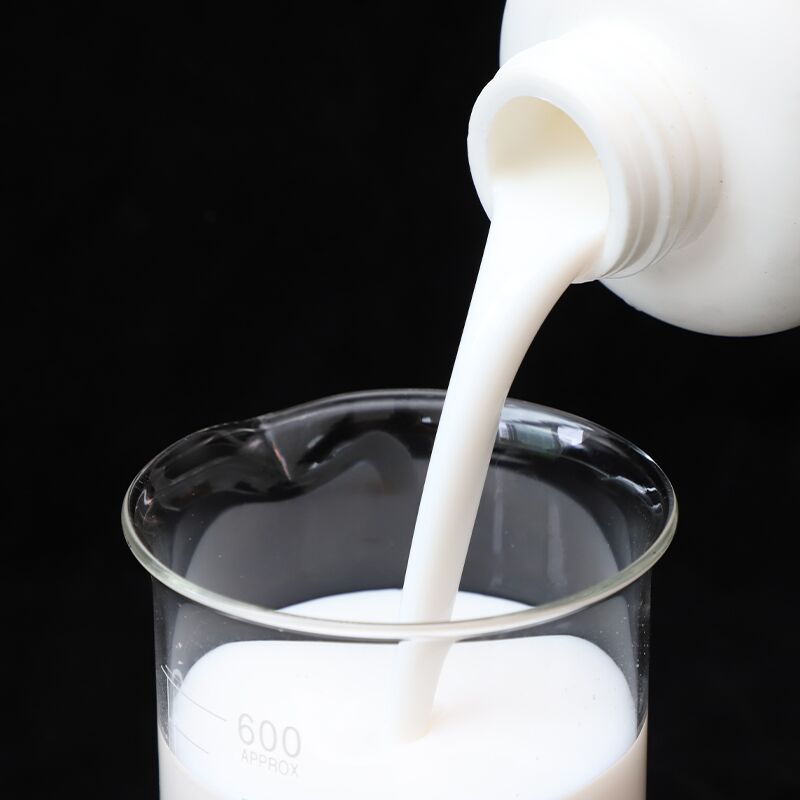
Emulsion polymerization: Silicone monomers, water and emulsifiers are pre-emulsified at high speed, then the temperature is raised (60-80℃) and a catalyst is added for reaction. After neutralizing the pH, adding defoamers/preservatives, and filtering, the finished product is obtained.
External emulsification method: After melting/dissolving the silicone resin, it is dispersed with water and emulsifiers at high speed, the particle size is refined by high-pressure homogenization, then stabilizers are added, and the product is obtained after cooling and filtering.
Key points: Match the emulsifier, control the particle size, and adjust the temperature/pH to ensure stability.
As an environmentally friendly water-based system, silicone resin emulsions combine the core advantages of silicone materials such as resistance to high and low temperatures, weather resistance, hydrophobicity, film-forming properties, and wear resistance. They are widely used in various fields including coatings, textiles, papermaking, leather, cosmetics, and agriculture, which can effectively improve the performance of end products and expand functional boundaries. Current research focuses on high-performance modification, functional compounding, and upgrading towards environmental protection and low VOC. Meanwhile, through process optimization, the stability and construction convenience of products are enhanced, and emerging application scenarios such as flexible electronics and biomedicine are continuously expanded, which conforms to the global trends of green production and high-end demand.
Properties, Applications and Adhesion Optimization of Liquid Silicone Rubber
Silu Technology Invites You to Attend the 2025 Asia Personal Care and Cosmetic Ingredients Exhibition
Related Article