Core Points of Metal Die Casting and Silicone Release Agents
author: Leo
2025-11-27
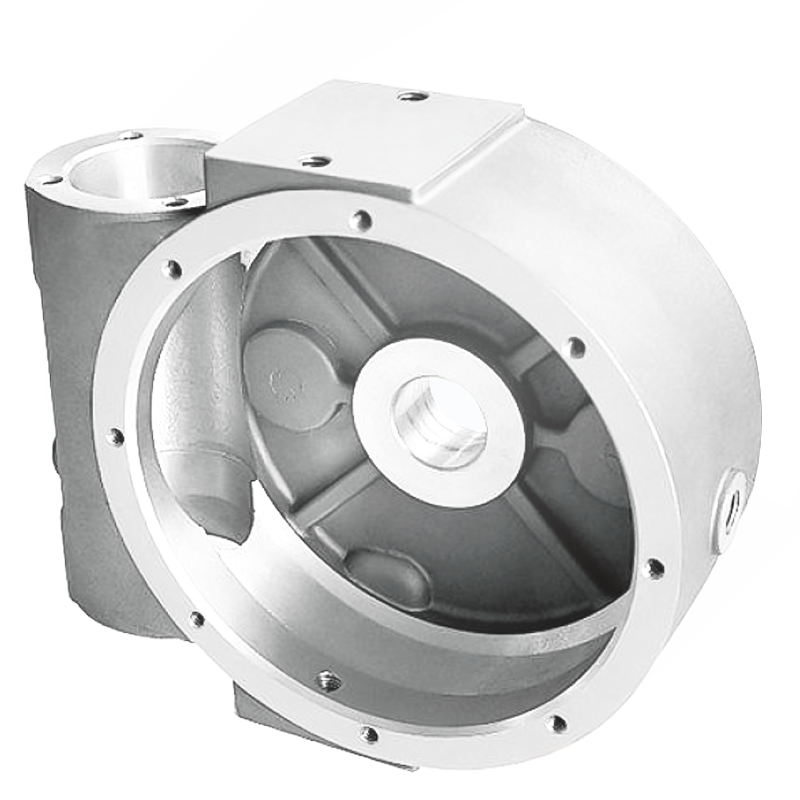
Metal die casting is a precision casting process in which molten non-ferrous metals such as aluminum alloys and zinc alloys are injected into high-temperature molds (the temperature of parts like joints, gates, and pins can reach 90-400℃) under high pressure and high speed, followed by cooling and solidification under high pressure.
The core function of the release agent is to isolate the molten metal from the mold, preventing the molten metal from scouring the cavity, reducing heat conduction, and at the same time providing high-temperature lubrication. This helps in the demolding of castings, improves the surface quality of castings, and prevents mold sticking. Since the die casting temperature far exceeds the tolerance range of ordinary organic release agents, silicone materials (especially phenyl-containing polysiloxanes) have become the preferred choice due to their better high-temperature resistance.
The industry mainly uses emulsion-type and solvent-free release agents: Emulsion-type release agents need to be diluted with water according to the demolding difficulty of the product (less water is added for products that are difficult to demold to increase the content of active ingredients, while more water is added for small products or those easy to demold). Before use, they must be stirred evenly, prepared and used immediately to avoid oil floating which may affect the demolding effect.
Silicone release agents are mainly used for aluminum alloy die castings, covering automotive-related products (such as engine casings and covers, gearboxes, sprocket chambers, timing gear chamber covers, connecting bridges, wheel hoops, etc.), communication-related products (such as magnetic card telephone casings, mobile communication transmission and reception boxes, set-top boxes, etc.), and elevator-related products.
Silicone-Modified Polycarbonate: Performance Optimization and Application Expansion
Properties, Applications and Adhesion Optimization of Liquid Silicone Rubber
Related Article